Strengthening Cyber Defenses: A Look at Vulnerability Assessment and Penetration Testing


As the digital landscape continues to expand, businesses and individuals face increasing cybersecurity threats. To safeguard critical data and systems from potential attacks, vulnerability assessment, and
penetration testing have become indispensable components of a comprehensive cybersecurity strategy. In this blog, we will explore the importance of vulnerability assessment and penetration testing, their
differences, and how they work together to fortify cyber defenses.
Vulnerability Assessment:
Vulnerability assessment is a systematic process that identifies security weaknesses and flaws within an organization’s IT infrastructure, applications, and network devices. It involves conducting scans and using automated tools to detect potential vulnerabilities in software, hardware, and configurations. The goal is to pinpoint weaknesses before malicious actors can exploit them, enabling organizations to take proactive measures to rectify the identified issues.
Penetration Testing:
Penetration testing, often referred to as “pen testing,” is a controlled and simulated cyber attack on an organization’s systems. Ethical hackers, known as penetration testers, attempt to exploit identified vulnerabilities to assess the security posture of the organization. By simulating real-world attack scenarios, penetration testing provides valuable insights into how well an organization’s defenses hold up against potential threats.

Key Differences:
Vulnerability assessment focuses on scanning and identifying weaknesses in a passive manner, while penetration testing actively exploits these vulnerabilities to assess the impact of a successful attack. While vulnerability assessment aims to identify weaknesses, penetration testing goes a step further, demonstrating the potential consequences of those vulnerabilities if left unaddressed.

Working Together:
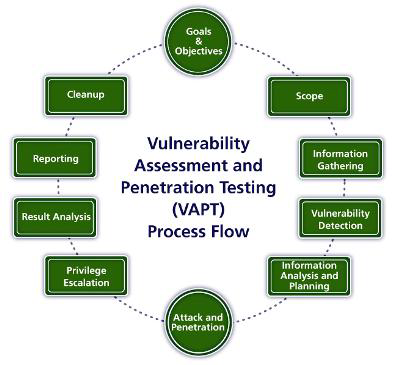
Vulnerability assessment and penetration testing complement each other in the cybersecurity landscape. The vulnerability assessment lays the groundwork by identifying potential weaknesses and guiding the
organization’s efforts to prioritize and remediate vulnerabilities. On the other hand, penetration testing validates the effectiveness of security controls and measures the organization’s resilience against real-world attacks.

Benefits of Vulnerability Assessment and Penetration Testing:
- Enhanced Security: By proactively identifying and remediating vulnerabilities, organizations can strengthen their security posture, minimizing the risk of successful cyberattacks.
- Compliance and Regulations: Many industry standards and regulations require organizations to conduct regular vulnerability assessments and penetration tests to maintain compliance.
- Risk Mitigation: Identifying and addressing vulnerabilities before attackers exploit them helps mitigate the potential risks associated with data breaches and system compromises.
- Cost Savings: Proactive vulnerability assessment and penetration testing can help organizations avoid costly incidents that could result from successful cyberattacks.